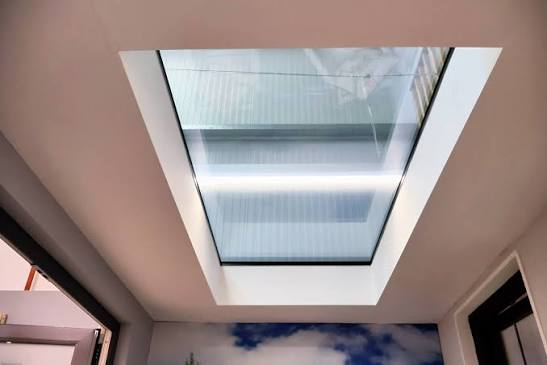
Natural daylight can make a home feel brighter, more welcoming and comfortable throughout the year. Rooms beneath flat roofs, such as kitchen extensions, bathrooms, hallways and converted lofts, often receive less sunlight than spaces with traditional pitched roofs. Installing Flat Roof Lights UK homeowners can choose from is a practical way to bring more daylight indoors while managing heat loss and energy use. Roof Lights offers options worth considering when comparing designs for different properties. The right choice depends on glazing quality, insulation, frame materials, ventilation and the position of the roof light. Understanding these features before buying helps homeowners select a product that suits their building, supports indoor comfort and makes better use of natural light.
Start With the Glazing Performance
Glazing has a direct effect on how well a roof light retains heat and controls sunlight. A product that allows daylight into a room while limiting unwanted heat transfer can help maintain a comfortable indoor temperature. Double glazing is a common choice for residential properties, while triple glazing may provide better insulation in situations where additional thermal performance is needed. However, the best option depends on the building, the room and the overall roof design.
Check the manufacturer’s technical information for these features:
- U-value: This measures how quickly heat passes through a building element. A lower U-value generally indicates better insulation.
- Solar heat gain: The amount of heat from sunlight that enters through the glazing. This matters in rooms that receive strong direct sunlight.
- Low-emissivity coatings: These coatings help reduce heat transfer through the glass while allowing visible light to pass through.
- Warm-edge spacers: These separate the glass panes and can help reduce heat loss around the edges of the glazing.
Comparing these specifications is more useful than choosing a roof light based on appearance alone.
Choose a Design That Suits the Room
Different rooms have different daylight and ventilation needs. A roof light that works well above a kitchen island may not be the most suitable option for a compact bathroom or a bedroom extension. Fixed roof lights are designed mainly to provide daylight. They can be a suitable choice for living rooms, dining areas and spaces where additional ventilation is not required. Opening roof lights allow fresh air to enter and can help release warm air that collects near the ceiling.
Before selecting a design, consider the following points:
- Kitchen extensions: Position the glazing to spread daylight across worktops and dining areas without creating excessive glare.
- Bathrooms: Choose a design with suitable privacy, ventilation and moisture-resistant detailing.
- Living rooms: Consider a larger glazed area to create a brighter atmosphere throughout the day.
- Hallways: A smaller roof light may provide enough daylight to reduce the need for electric lighting during daylight hours.
The size and position of the glazing should work with the room’s layout, furniture and roof structure.
Look for Effective Insulation Around the Frame
Energy efficiency depends on more than the glass itself. The frame, seals and connection between the roof light and the roof covering also affect thermal performance. Poorly insulated edges can create cold spots, increase heat loss and contribute to condensation. A well-designed frame with suitable thermal breaks can help limit heat transfer between the indoor and outdoor environments.
Aluminium frames are valued for their strength and slim appearance, while other frame materials may offer different insulation and maintenance characteristics. The important consideration is the performance of the complete roof light rather than the material alone. Roof Lights can be included in the comparison process by reviewing available designs alongside their glazing specifications, frame construction and intended installation requirements. Pay attention to the quality of weather seals as well. A roof light should be installed with compatible flashing and waterproofing details to help prevent rainwater entering the building. Professional installation can reduce the risk of gaps, draughts and leaks that may affect long-term performance.
Consider the UK Climate and Changing Seasons
UK weather can shift between cool, damp conditions and periods of strong sunshine. An energy-efficient roof light should perform well in both winter and summer. During colder months, effective insulation helps limit heat escaping through the roof. In warmer weather, solar control glazing and suitable ventilation can help reduce overheating, particularly in south-facing rooms and extensions with large glazed areas. The direction of the roof is worth considering before choosing a product. South-facing roof lights may receive substantial sunlight, while north-facing installations generally receive more consistent, indirect daylight. East- and west-facing positions can experience stronger sunlight at particular times of day.
Practical measures to consider include:
- Selecting glazing with solar control properties where overheating is a concern.
- Using opening roof lights to release warm air when outdoor conditions are suitable.
- Adding internal blinds or other shading where direct sunlight causes glare.
- Positioning roof lights to distribute daylight without creating uncomfortable bright spots.
These choices help balance natural light, thermal comfort and the need for artificial lighting.
Check Installation Requirements Before Buying
Even a well-insulated product can perform poorly if it is not installed correctly. Flat roofs need careful detailing around roof openings because water must drain away without collecting near the frame. Before purchasing, confirm that the selected roof light is compatible with the roof’s construction, covering and pitch requirements. Flat roofs are not always completely level, and many roof light systems require a specified minimum pitch to support drainage.
Ask the installer to assess the following:
- The structural opening and whether additional support is required.
- The roof’s waterproofing system and the correct flashing details.
- Insulation continuity around the opening.
- Internal finishing and airtightness.
- Drainage arrangements that prevent standing water near the frame.
Building regulations may also apply, particularly for replacement work, new extensions, thermal performance and safety glazing. Requirements depend on the project and the property. Check the relevant rules before work begins, especially if the installation forms part of a larger renovation.
Compare Long-Term Value Rather Than Purchase Price Alone
A lower initial price does not always mean a roof light offers better value over time. Products with suitable insulation, durable materials and reliable seals may help reduce maintenance needs and improve indoor comfort. Compare the full cost of the project, including the product, delivery, installation, roof alterations and internal finishing. Ask for clear information about warranties, cleaning requirements and replacement parts.
Roof Lights offers options to suit different property styles and room layouts, making it easier to compare designs based on glazing, insulation and overall performance. Before choosing a model, consider how often the room is used and how much natural light it needs. A roof light above a kitchen or living area may provide daily benefits, while a smaller design may be sufficient for a hallway or occasional-use space. Actual energy savings depend on the building’s existing insulation, household habits and the roof light’s thermal performance, so it is best to consider it as part of a wider approach to improving home energy efficiency.
Make Daylight Part of a Better-Performing Home
Choosing an energy-efficient roof light involves balancing glazing performance, insulation, ventilation, frame quality and installation requirements. A suitable design can brighten rooms, improve their appearance and support comfortable indoor temperatures throughout the year. Homeowners comparing Flat Roof Lights UK options should review technical specifications carefully and consider how each product will perform in the intended space. Taking time to assess these details can help avoid unnecessary heat loss, reduce glare and create a more practical living environment.
Contact us today to discuss your flat roof light requirements and explore suitable options for your property. Find a design that complements your space, brings in natural daylight and supports your home’s energy efficiency.