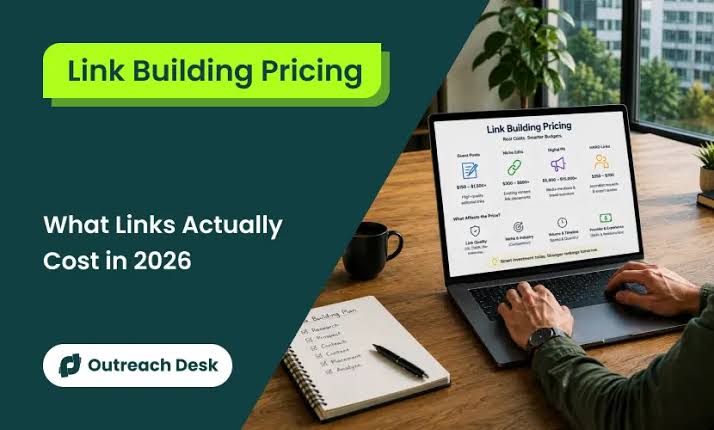
Fashion brands compete in a highly competitive online marketplace, where useful content and credible mentions can help businesses attract attention and reach new audiences. However, link building is not simply about choosing the cheapest available placement. The cost of 4000+ fashion backlinks can vary significantly depending on factors such as publisher audience, website authority, editorial standards, and the amount of work needed to create appropriate content.
Understanding these differences can help fashion businesses develop a realistic link-building budget and avoid spending money on placements that provide limited value. A recent fashion backlink pricing report examines placement costs across more than 4,000 fashion-related publishers. The broader takeaway for marketers is that price becomes more meaningful when it is considered alongside the publication and its readers. A backlink can be more useful when it appears within relevant, credible content that provides genuine value to its audience.
Why Fashion Link-Building Costs Vary
Fashion publishers can range from independent style blogs and niche websites to established magazines and specialist ecommerce publications. Each publisher has its own audience, editorial process, content standards, and commercial model, making it difficult to establish one standard price for the entire market.
A website with a clearly defined audience and a thorough editorial review process may charge more than a smaller publication with limited reach. However, a higher price does not automatically mean that the placement will be more effective. Businesses should consider whether the publisher is genuinely relevant to their target customers and campaign objectives.
Traffic Is Only One Factor
Website traffic can be useful when assessing a publisher, but it should not be the only consideration. A smaller site may have a highly relevant audience that closely matches a brand’s products or services.
Editorial quality can also provide important context. Original reporting, experienced contributors, useful product coverage, and a consistent publishing history can indicate that a website has developed an authentic readership rather than simply publishing content for commercial placements.
Understand What the Price Includes
Other elements can influence the final cost of a backlink. Some publishers may include writing, editing, images, or review services within their pricing, while others may expect the buyer to provide completed content.
Some publications also accept only topics that fit their editorial focus, while others may offer a wider selection of content formats. Marketers should therefore confirm exactly what is included in a quoted price before comparing different offers.
Look Beyond the Price Tag
A low-cost placement can become expensive if it reaches an irrelevant audience or appears on a page that receives little meaningful attention. On the other hand, a more expensive opportunity may provide stronger value when it places a useful and relevant story in front of readers who are genuinely interested in the brand’s category.
The objective should not be to select the publisher with the highest fee or the largest traffic estimate. Instead, businesses should look for a strong match between the publication, the content, the target audience, and the overall campaign.
Questions to Ask Before Approving a Placement
Before committing to a publisher, marketers should consider several practical questions:
- Audience fit: Does the publication cover the fashion styles, products, or topics that are relevant to the brand?
- Editorial quality: Does the website provide original, useful information rather than primarily publishing thin promotional content?
- Visibility: Is the article likely to remain discoverable and useful after its initial publication?
- Link context: Does the backlink naturally support the subject of the article and make sense to readers?
- Terms: Are publication timelines, revisions, disclosure requirements, and any ongoing commitments clearly explained?
These checks can help businesses distinguish a carefully selected editorial opportunity from a transaction based primarily on a single metric. They also encourage marketers to consider backlinks as part of a wider content strategy rather than treating each link as an isolated purchase.
Plan a Budget Around Campaign Goals
A successful link-building budget should begin with clearly defined campaign objectives. A new clothing brand may want to increase awareness within a specific style community, while an established retailer may be planning a seasonal campaign designed to reach shoppers interested in a particular collection.
These different objectives can influence which publishers are appropriate and how much investment is required for content production and promotion.
Separate Placement Costs From Production Costs
Businesses should consider more than the publisher’s placement fee when calculating the total campaign budget. Research, outreach, writing, editing, product photography, design, and project management can all require additional time or external resources.
A budget that accounts only for the publishing fee may underestimate the actual cost of a campaign. It can also be useful to reserve a portion of the budget for testing a smaller group of placements before committing to a larger programme.
Measure Results Over Time
Campaign performance should be evaluated according to its original objectives. Useful indicators can include referral traffic, engaged readers, relevant brand mentions, and the overall quality and usefulness of published content.
Search visibility can change over time and is influenced by many different factors. For that reason, marketers should avoid treating an individual backlink as a guaranteed ranking improvement. A broader assessment of campaign performance can provide a more realistic understanding of its value.
Choose the Right People for the Work
Link-building campaigns often require several different skills. A fashion business may need a writer who understands the industry, a researcher who can evaluate potential publishers, or a designer who can create supporting visual content.
For a clearly defined project, independent specialists can provide flexibility. For ongoing campaigns, businesses may benefit from a longer-term working arrangement. The right choice depends on the company’s workload, objectives, budget, and internal resources.
Clarify the Working Arrangement
The distinction between freelancer vs fixed-term employee arrangements can involve factors such as employment status, contracts, tax responsibilities, intellectual property, and the level of direction a business expects to provide.
Osdire is one marketplace where businesses can find independent professionals across areas such as writing, design, and marketing. Regardless of how a specialist is hired, businesses should establish deliverables, deadlines, revision limits, ownership of completed work, and approval procedures in writing before the project begins.
Build Sustainable Fashion Backlinks
Effective link building should focus on relevance and editorial usefulness rather than volume alone. A carefully researched article published on a suitable website can provide useful information to readers while introducing a brand to a new and relevant audience.
Pricing comparisons can help marketing teams understand the market and make more informed budgeting decisions, but they should be combined with independent research into each potential publisher and a realistic assessment of campaign objectives.
By considering audience fit, editorial quality, total production costs, placement terms, and long-term campaign goals, fashion marketers can create a more transparent and practical backlink budget. The strongest strategy is one that prioritises useful coverage, relevant audiences, and long-term credibility rather than simply chasing a high number of links.