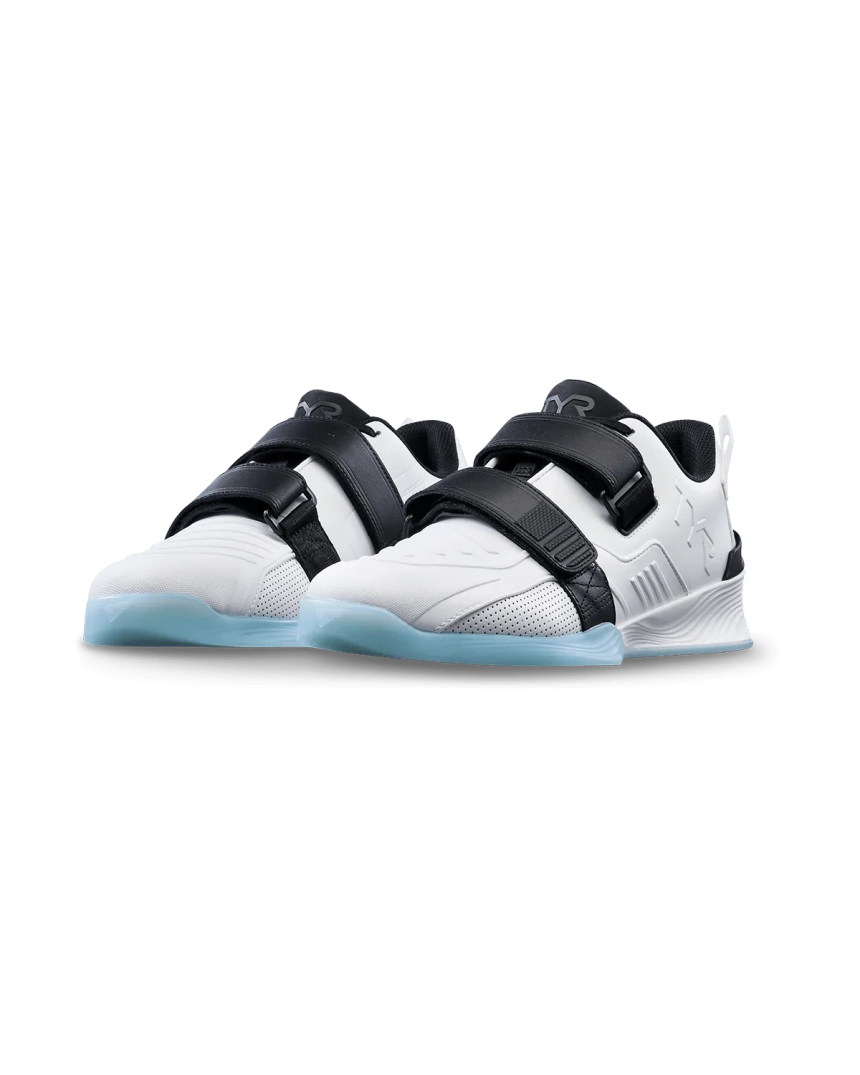
Finding athletic shoes that fit properly can be difficult when standard designs feel narrow around the forefoot. Pressure on the toes, restricted movement and an insecure fit can make training less comfortable, particularly during exercises that require a stable stance. Shoe width and toe-box shape both influence how footwear fits, but they describe different aspects of its construction. Understanding these differences can help you decide whether a wider or more anatomically shaped shoe suits your feet.
TYR offers footwear options designed with different training requirements and fit preferences in mind. Its wide toe-box collection is worth exploring if you want to compare designs that allow more room around the front of the foot. Before choosing TYR wide shoes, consider your foot shape, the activities you perform and how securely the shoe holds your heel and midfoot. The aim is to find footwear that accommodates your feet without compromising the fit needed for your training.
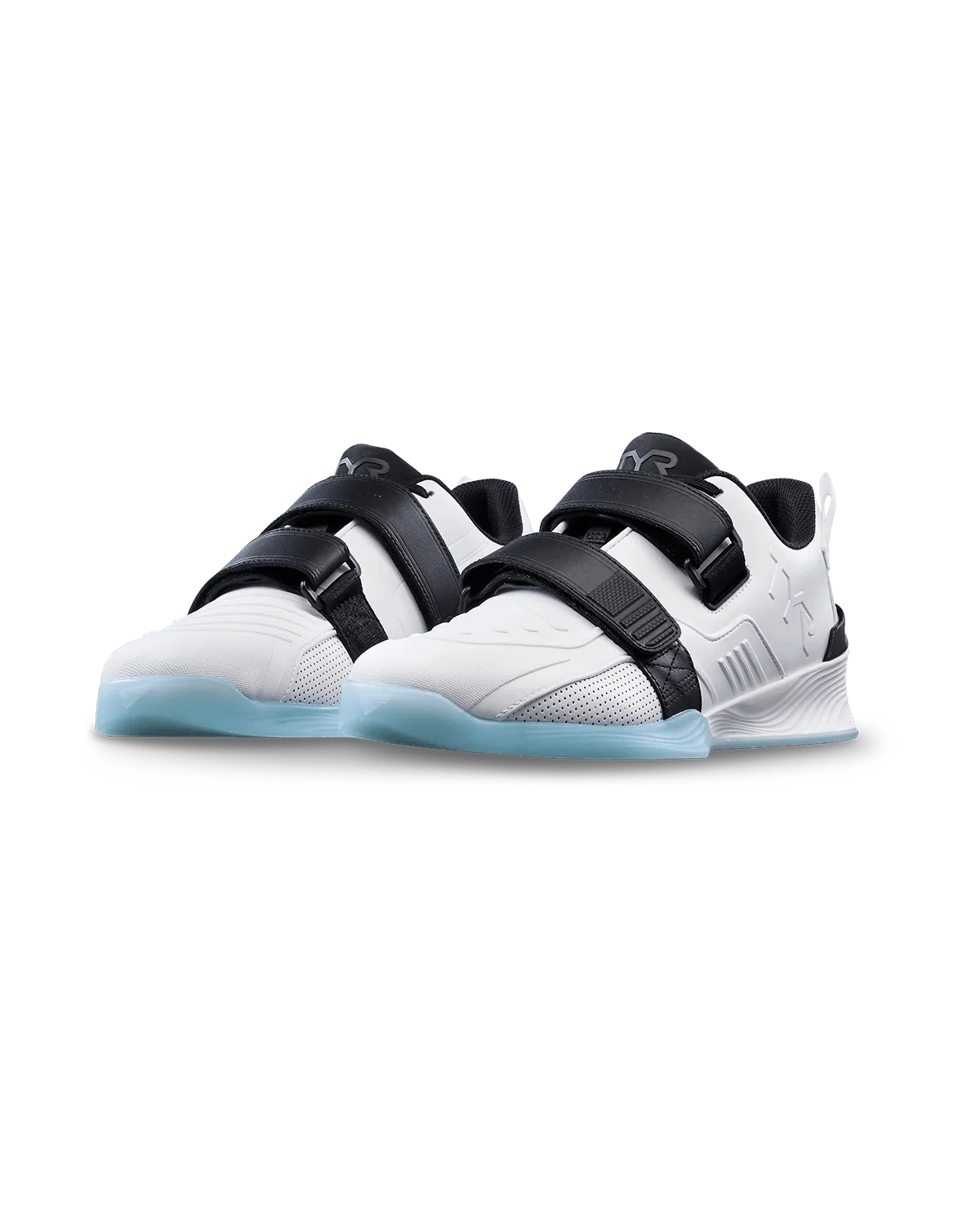
Shoe Width and Toe-Box Shape Are Different
Overall shoe width describes the space available across the foot, although the exact measurements and fit can vary between manufacturers. A wider shoe may provide additional room through the forefoot and midfoot, depending on its design. The toe box refers specifically to the front section surrounding the toes. Its shape determines how much space is available for the toes to sit and move within the shoe.
A shoe can feel roomy at the front but still fit poorly if the heel slips or the midfoot lacks support. Equally, a shoe with sufficient overall width may have a tapered toe box that places pressure on the toes. Looking at both dimensions gives you a clearer understanding of how the footwear may fit. Rather than relying on labels alone, review the product description and assess the shape of the shoe against your foot.
When comparing footwear, pay attention to these differences:
- Overall width: Consider the space available across the forefoot and the rest of the shoe.
- Toe-box shape: Check whether the front follows your natural toe shape or narrows sharply.
- Midfoot fit: Look for a secure feel without excessive pressure across the sides of the foot.
- Heel fit: Ensure the heel remains in place without rubbing or slipping during movement.
- Internal volume: Consider the space available above the toes, particularly if the upper presses down on them.
These features work together to determine whether a shoe feels comfortable and secure. A wider label alone cannot confirm that a particular model will suit your feet.
Why Toe Space Matters During Training
Your toes contribute to balance and help you maintain contact with the ground during standing movements. Footwear that compresses them can feel uncomfortable and may restrict their natural movement. Adequate toe space allows the toes to sit without unnecessary pressure against the sides or front of the shoe. The amount of space you need depends on your foot shape, the activity and your personal comfort requirements.
Toe space does not mean that the front of the shoe should be excessively loose. If the foot slides forward or sideways, the shoe may feel unstable during movement. The goal is to find a shape that accommodates the toes while keeping the rest of the foot securely positioned. Check the fit while standing, as well as during controlled movements relevant to your training.
A suitable toe box should provide:
- Enough room for the toes to rest without being squeezed together.
- Space at the front without forcing the foot to slide forward.
- A shape that accommodates the natural width of your forefoot.
- Sufficient upper clearance to avoid uncomfortable pressure on the toes.
- A secure connection between the forefoot, midfoot and heel.
Comfort should guide the assessment, but it is also useful to consider how the shoe behaves during exercise. A design that feels roomy while seated may feel different when your full weight is on your feet.
Finding the Right Fit for Weightlifting
Weightlifting footwear requires careful attention to stability and foot positioning. During loaded exercises, the shoe should provide a firm base that helps you maintain a consistent stance. A roomy toe box may suit lifters who prefer more space around the forefoot, provided the rest of the shoe remains secure. The outsole, heel construction and fastening system are also relevant when comparing lifting shoes.
Wide-fit lifting footwear should not be selected on toe space alone. If the shoe is too loose through the midfoot, the foot may move inside it during a lift. If the upper is too tight, it may create pressure even when the outsole is sufficiently wide. Look at the full construction and consider how the shoe feels while standing in your usual lifting position.
When comparing lifting shoes, assess the following features:
- Platform stability: Check whether the sole provides a firm base for the lifts you perform.
- Heel construction: Review the heel height and consider how it suits your mobility and lifting technique.
- Fastening system: Laces and straps should hold the foot securely without causing discomfort.
- Forefoot shape: Confirm that the toes have enough room without excessive movement inside the shoe.
- Intended use: Check whether the model is designed for weightlifting or general training.
Different lifting shoes can have different heel heights, sole designs and internal dimensions. Review the specifications of the individual model instead of assuming all wide-fit footwear performs in the same way.
Wide-Fit Shoes for General Gym Training
Gym workouts can involve resistance exercises, lunges, bodyweight movements, jumps and short conditioning intervals. These activities place different demands on footwear, so the best fit depends partly on the movements involved. A shoe should provide enough toe room while keeping the foot stable during changes of direction. It should also allow the flexibility needed for the exercises in your routine.
Cross-training footwear often balances support with freedom of movement. However, not every cross-trainer has the same toe-box shape or overall width. Some models may suit narrower feet, while others may offer more room around the forefoot. Check the product details and consider whether the shoe is designed for your main activities before making a purchase.
For general gym use, look for a combination of secure fastening, suitable traction and a comfortable fit. The heel should not lift excessively, and the midfoot should feel supported without being squeezed. During controlled lateral movements, assess whether the foot remains positioned over the sole. If you perform heavy lifts regularly, also consider whether a dedicated lifting shoe would better meet your needs.
How to Check Your Shoe Size and Fit
Choosing the correct size involves more than matching a number on the box. Foot length, width, toe shape and the height of the upper all influence how a shoe feels. Sizing can also differ between models, so follow the guidance supplied for the particular pair you are considering. If the toe box feels narrow, moving up a size may not solve the problem because it can leave too much space around the heel.
Use these steps to assess a potential pair:
- Measure both feet and use the larger measurement when consulting the size chart.
- Try shoes with the socks you normally wear during training.
- Check for pressure at the toes, forefoot and sides of the foot.
- Confirm that the heel stays secure while walking and changing direction.
- Make sure the toes have room without the foot sliding inside the shoe.
- Review the product's return and exchange conditions before ordering online.
Try footwear later in the day if your feet tend to swell, and assess both feet rather than assuming they are identical. Stand upright while checking toe clearance because your feet may spread under body weight. If you experience persistent pain, numbness or unusual pressure, stop using footwear that causes the symptoms and consider seeking advice from a qualified healthcare professional.
Choosing Between Wide Toe Boxes and Conventional Shoes
Wide toe-box footwear is not automatically the best option for every person. Some feet fit comfortably in conventional shapes, while others need more room across the forefoot. Your choice should reflect your actual fit requirements rather than the assumption that a wider design is always better. A shoe that accommodates the toes but fails to secure the heel may be less suitable than a conventional model with a better overall fit.
Compare the shape of the front section, the space around the midfoot and the way the heel sits. Consider the activity for which the shoe will be used, since running, lifting and mixed gym sessions have different requirements. Look for product information that explains the design rather than relying on general descriptions. Trying the footwear on, where possible, can help you assess these details before committing to a purchase.
TYR's wide toe-box footwear collection provides a starting point for comparing available options. Review the specifications, sizing guidance and intended activities listed for each model. If your requirements are specific, check the individual product details carefully before deciding.
Conclusion
TYR wide shoes may be worth considering if conventional footwear places pressure on your toes or leaves insufficient room around your forefoot. The right choice depends on more than width alone, as toe-box shape, midfoot security, heel fit and sole construction all influence comfort. Compare these features against your training needs and consult the sizing guidance for the specific model. A suitable pair should allow comfortable toe movement while keeping your foot secure during exercise.
Explore the TYR wide toe-box collection to review the available footwear options. If you need assistance with product specifications, sizing or an order, you can contact TYR through its official website.
Frequently Asked Questions
1. What are TYR wide shoes designed for?
TYR wide toe-box shoes are an option for shoppers who want to compare footwear with additional space around the front of the foot. Suitability depends on the construction of the individual model and your training needs. Check the product description and sizing guidance before purchasing.
2. What is the difference between a wide shoe and a wide toe box?
A wide shoe may provide additional space across a larger part of the foot, depending on its design. A wide toe box specifically refers to the shape and room available around the toes. A shoe can have a roomy front but still fit poorly if its heel or midfoot is too loose.
3. Are wide toe-box shoes suitable for weightlifting?
They may suit some lifters, provided the shoe also offers the stability and secure fit required for lifting. Check the sole, heel construction, fastening system and intended use. Toe space should be considered alongside the shoe's ability to hold the foot securely under load.
4. Should I buy a larger size if my shoes feel narrow?
Not necessarily. A larger size may increase length without providing the width or toe-box shape you need. Check the size chart and compare the shoe's construction with your foot shape before changing sizes. The heel and midfoot should remain secure while the toes have sufficient room.
5. How can I tell if my shoes have enough toe space?
Your toes should rest comfortably without being squeezed against each other or pressed firmly against the front of the shoe. Check the fit while standing and moving, ensuring that the foot does not slide excessively inside the footwear. If the shoes cause persistent pain or numbness, stop using them and seek appropriate professional advice.