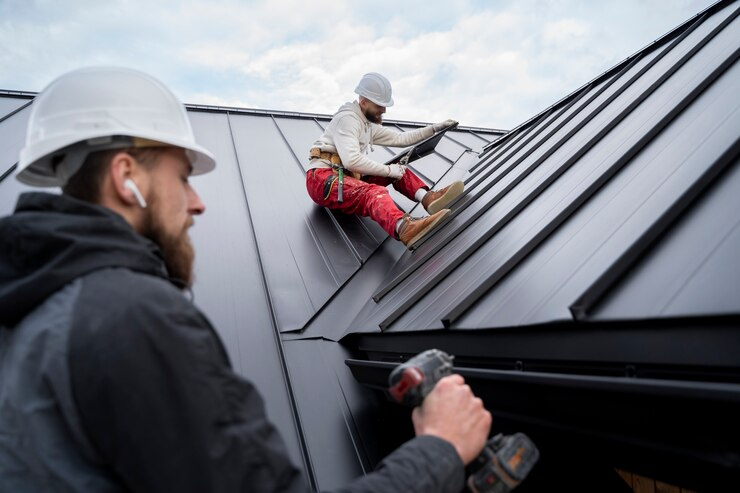
A commercial roof protects the building, equipment, inventory, and people inside it. Over time, exposure to heavy rain, strong winds, intense sunlight, and changing temperatures can weaken roofing materials. Small issues may start as minor leaks or loose sections but can develop into expensive structural problems if left untreated. Recognizing the warning signs early helps property owners plan maintenance and avoid unexpected disruptions. Commercial roof replacement may become necessary when repairs no longer provide reliable protection. With guidance from experienced professionals such as Nailed It Roofing Pros, business owners can assess their roof’s condition and decide on the right next steps before damage spreads.
1. Frequent Roof Leaks and Water Stains
Repeated leaks are one of the clearest signs that a commercial roof needs professional attention. A small leak may appear harmless at first, but ongoing water entry can damage insulation, ceiling panels, electrical systems, and interior finishes. Water stains on ceilings or walls often indicate that moisture has already entered the building. In some cases, the actual source of the leak may be several feet away from the visible stain because water can travel along roofing layers before dripping inside.
Watch for these warning signs:
- Brown or yellow stains on ceilings and walls.
- Water dripping during or after rainfall.
- Damp insulation or musty indoor odors.
- Leaks that return after repeated repairs.
- Water collecting around roof openings or drainage points.
A single leak does not automatically mean the entire roof needs replacement. However, several recurring leaks across different areas may indicate widespread deterioration that individual repairs cannot resolve effectively.
2. Roofing Materials Show Visible Damage
Commercial roofing materials gradually wear down because of constant exposure to the elements. The type of damage depends on the roofing system, which may include metal panels, membrane roofing, built-up roofing, or other flat and low-slope materials. Cracks, tears, punctures, loose seams, and damaged flashing can allow water to enter the building. Metal roofs may develop rust, corrosion, or loose fasteners, while membrane roofs may show splitting or separation around joints.
Property owners should arrange an inspection if they notice:
- Roofing membranes that are cracked, torn, or pulling apart.
- Metal panels with extensive rust or corrosion.
- Loose or missing roofing components.
- Damaged flashing around vents and rooftop equipment.
- Worn protective coatings or exposed roofing layers.
Minor damage can sometimes be repaired, particularly when the rest of the roof remains in good condition. Widespread deterioration, however, may make replacement a more practical long-term choice.
3. The Roof Has Reached the End of Its Expected Lifespan
Every roofing system has an expected service life, but the actual lifespan depends on its materials, installation quality, maintenance history, and exposure to weather. Some commercial roofs can last for decades, while others may require replacement sooner under demanding conditions. A roof that has reached its expected lifespan deserves closer attention, even if there are no obvious leaks. Aging materials may become less flexible, protective coatings may wear away, and seams or fasteners may gradually weaken.
Business owners should review installation records, previous inspection reports, repair invoices, and manufacturer guidance to estimate the roof’s remaining service life. Age alone does not confirm that replacement is necessary. A qualified roofing contractor can assess the condition of the system and determine whether continued maintenance is reasonable or a new roof would offer more dependable protection.
4. Water Pools on the Roof After Rain
Standing water is a common concern for commercial buildings with flat or low-slope roofs. These systems need suitable drainage to move rainwater toward drains, gutters, or designated outlets. Water that remains for extended periods may point to blocked drains, inadequate drainage, uneven roof surfaces, or sagging sections. Continued pooling can place additional stress on the roofing system and increase the chance of leaks.
Look for these possible signs of trouble:
- Large puddles that remain well after rainfall.
- Drains frequently blocked by leaves or debris.
- Visible dips or low spots in the roof surface.
- Areas where water repeatedly collects.
- Signs of moisture damage beneath the affected sections.
Clearing blocked drains may solve an isolated problem. However, persistent pooling caused by structural movement or widespread deterioration may require more extensive work. A professional assessment can identify whether drainage improvements, localized repairs, or full roof replacement are appropriate.
5. Rising Energy Bills Without a Clear Reason
A damaged commercial roof can affect indoor temperatures and increase energy bills. Wet insulation and worn roofing materials may reduce efficiency, forcing HVAC systems to work harder, especially during Houston’s hot summers. Nailed It Roofing Pros can help assess roof damage and identify suitable replacement options. Rising utility costs alone do not confirm roof problems, but combined with leaks or visible wear, they may signal the need for an inspection.
6. The Roofline Appears Uneven or Sagging
Changes in a roof’s shape can signal a serious problem. Sagging areas may result from prolonged moisture exposure, damaged structural components, excessive loads, or deterioration beneath the roofing materials. These issues require more than routine surface repairs because the underlying structure may also be affected. Continued neglect could increase the risk of further damage to the building.
Property owners should look for visible dips, unusual changes along the roofline, separated structural connections, or ceilings that appear to be bowing beneath the roof. Do not walk onto a visibly sagging roof or attempt to investigate unstable areas yourself. Restrict access to affected spaces and arrange an urgent professional assessment. If a contractor identifies significant structural damage, replacement work may need to include repairs to the supporting roof structure as well.
7. Repair Costs Keep Adding Up
Regular maintenance helps extend a commercial roof’s useful life, but repeated repairs can become costly when the roofing system is approaching the end of its service life. For example, repairing one leak may solve the immediate problem, only for another leak to appear in a different section a few months later. Replacing damaged materials, addressing interior water damage, and dealing with business interruptions can add to the overall expense.
Before committing to another major repair, consider:
- The total amount spent on roof repairs over recent years.
- How frequently new problems appear.
- Whether damage affects isolated areas or most of the roof.
- The estimated cost of continued repairs compared with replacement.
- The likely maintenance needs of each available option.
Nailed It Roofing Pros can be considered when arranging a professional evaluation of a commercial roofing system. A clear assessment helps property owners understand the current problems, compare practical options, and plan work around their business operations.
8. Storm Damage Has Weakened the Roofing System
Severe weather can cause sudden damage to commercial roofs. Strong winds may loosen roofing materials, flying debris can puncture membranes, and heavy rainfall may expose existing weaknesses. After a major storm, visible damage is not always the full extent of the problem. Water can enter beneath roofing layers, and small openings may become more noticeable during subsequent rainfall.
Arrange an inspection if you notice missing materials, damaged flashing, loose metal panels, new leaks, or debris-related punctures. Photographs taken from a safe location can also help document visible damage for maintenance records or an insurance claim. Not every storm-damaged roof needs complete replacement. The decision depends on the extent of the damage, the roof’s age, the condition of its underlying components, and the feasibility of effective repairs.
Choosing the Right Time for Replacement
A commercial roof should not be replaced based on age or one isolated defect alone. The decision should consider the overall condition of the roofing system, the extent of deterioration, repair history, drainage performance, and the cost of maintaining the existing structure. An experienced roofing contractor can inspect the surface, flashing, drainage components, and accessible underlying materials before recommending a course of action. Business owners should also discuss suitable materials, warranty terms, expected maintenance, project scheduling, and ways to limit disruption to staff and customers. Nailed It Roofing Pros can be included in the process of evaluating commercial roofing needs and identifying suitable next steps. Addressing serious roofing problems before they spread can help protect building contents, reduce avoidable interruptions, and support better maintenance planning. Protect your business property with a professional roof assessment. Contact us today to discuss visible damage, recurring leaks, and replacement options that suit your building’s condition and operational needs.