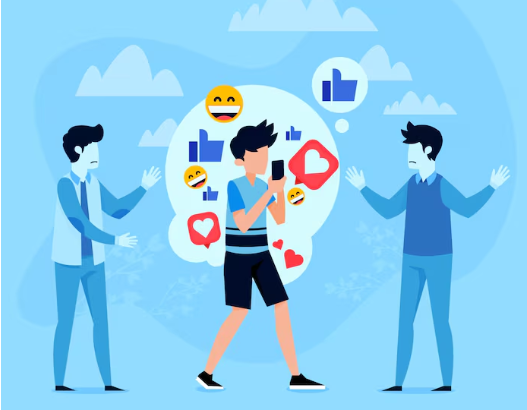
A product page with zero reviews and a product page with 4,000 reviews can be selling the exact same item, and shoppers will still trust the second one more. That’s not laziness on the buyer’s part it’s a shortcut the brain uses when it doesn’t have time to research every claim itself. If other people vouched for something, it’s probably fine. Marketers have a name for this: social proof. And despite years of predictions that audiences would grow numb to it, the data keeps saying otherwise. Reviews, follower counts, engagement numbers, “as seen on” badges they still move people from curious to convinced faster than almost anything else you can put on a page.
Which is exactly why so many brands and agencies are tempted to shortcut the shortcut and just buy the numbers instead of earning them. Sometimes that’s a reasonable move a fresh account with zero followers looks worse than one with a modest, healthy-looking base, and a little paid social proof can bridge that gap while the organic strategy catches up. Other times it’s how brands quietly torch their credibility, their ad accounts, or both. The difference usually comes down to who you’re buying from.
The pitch that should make you pause
Most people don’t get burned because they bought engagement. They get burned because they bought it from the wrong provider and didn’t know what to check first. A few warning signs come up again and again in complaints from marketers who’ve been through this:
They ask for your account password
Any provider that needs to log into your Instagram, TikTok, or YouTube account directly rather than working through the platform’s own APIs or public share links is asking for more access than the job requires. That’s how accounts get locked, content gets deleted, or worse, get used for something you never agreed to. A legitimate order shouldn’t need your login credentials at all.
There’s no refill policy
Followers and engagement bought from low-quality sources tend to drop off within days or weeks, sometimes because the platform catches and purges fake accounts, sometimes because the “followers” were never real to begin with. A provider confident in what they’re selling will offer a refill window 30, 60, sometimes 90 days to replace anything that disappears. If refill isn’t mentioned anywhere on the order page, assume there isn’t one, and assume the drop-off will happen.
The numbers arrive instantly
Real engagement, even the paid kind delivered by decent providers, trickles in gradually because that’s what a natural pattern looks like and it’s also what keeps platform detection systems from flagging the spike. “10,000 followers in 60 seconds” isn’t a feature; it’s the clearest tell that what you’re buying is a bot swarm the platform will likely purge within days, sometimes taking your account’s trust score down with it.
What a provider worth trusting actually looks like
None of this means buying social proof is inherently a bad move plenty of legitimate agencies use it as one tool among several. The providers worth using tend to share a few traits: they’re upfront about delivery speed and explain why gradual is better than instant, they publish a clear refill or guarantee policy instead of burying it in fine print, they never ask for account passwords, and they can explain in plain language how their delivery avoids tripping a platform’s spam detection. If a provider can’t or won’t answer those questions directly, that’s your answer.
It’s worth spending ten minutes checking a provider’s track record before placing an order support responsiveness, refund handling, and how they talk about refills are usually more revealing than anything on the pricing page. Panels like SMM World lay out their refill windows and delivery timelines directly on the order page rather than making buyers dig for them, which is roughly the bar any provider should clear before you hand over a card number.
In practice this plays out differently depending on what you’re actually trying to move. An agency padding out a brand-new client account might buy Instagram followers to close the gap between zero and credible while the organic strategy ramps up, while someone launching a short-form video campaign might buy TikTok followers instead, since that’s where the audience already lives. Different platform, same three checks: no password requests, a real refill window, and delivery that doesn’t land in one suspicious burst.
The bigger picture is that social proof isn’t going anywhere as a conversion driver, and there’s nothing wrong with giving a new account or campaign a paid head start. The mistake isn’t buying it it’s buying it blind. Check for the password request, check for the refill policy, and be suspicious of anything that promises to be instant. Get those three rights, and the rest of the decision takes care of itself.