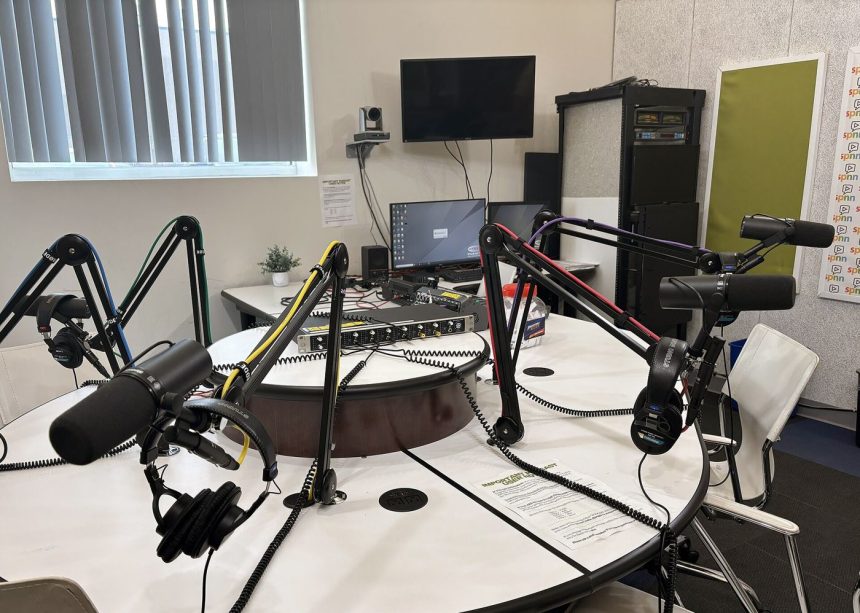
Podcasting was the last proudly invisible medium: voices in ears, no cameras, no costumes. That era is ending. The biggest shows now film every episode, clip the highlights for social platforms, and design their studios like television sets — because that is where discovery happens. Audience research, including the external source, shows video has become a primary way listeners — especially younger ones — find and consume podcasts.
The shift is economic before it is artistic. A filmed episode feeds the recommendation engines that audio alone cannot reach; a sixty-second clip can recruit more listeners in a day than a month of audio word-of-mouth. Advertisers follow the same logic, paying premiums for host-read spots that audiences can also watch.
What video does to the conversation
Cameras change behaviour. Guests perform a little more; hosts riff a little less. Intimate, meandering audio — the long interview that trusted listeners to stay — competes with a format optimised for moments. Producers describe a new split workload: record for the clip, edit for the loyal. The smartest shows do both deliberately, protecting long-form depth while designing honest highlights rather than fake ones.
Not everyone is converting. News, true-crime and comedy staples built on narration and sound design translate awkwardly to video, and many creators argue their craft is the audio itself. Our media coverage in our news consumption section tracks the emerging middle path: film the conversation shows, keep the crafted ones in the ears.
The platform prize
Behind the format shift sits a platform contest. Video-capable podcasting pulls listening into ecosystems that also sell music, shorts and subscriptions; the open, RSS-based world that birthed podcasting is negotiating its future with giants who prefer walls.
The economics of the clip deserve scrutiny. A viral moment recruits audience cheaply, but platforms own the relationship with those recruits, and creators describe the familiar bargain of every platform era: reach today, dependence tomorrow. The producers building defensively are the ones converting clip viewers into subscribers on channels they control — newsletters, feeds, memberships — treating the video platforms as the trailer, never the cinema.
There is also a craft counter-current worth naming: deliberately audio-only releases are becoming a small badge of honour, marketed on intimacy the way vinyl is marketed on warmth. Whether that is nostalgia or a genuine format preference, the market is segmenting rather than simply converting — podcasts are not becoming television; they are becoming both media at once, and learning which of their children belongs to which.
Podcasts survived the move from downloads to streaming and grew. They will survive cameras too — but they will look different doing it. The medium that began as radio’s rebellious child is becoming television’s flexible cousin, one studio light at a time. More media stories are at our homepage.