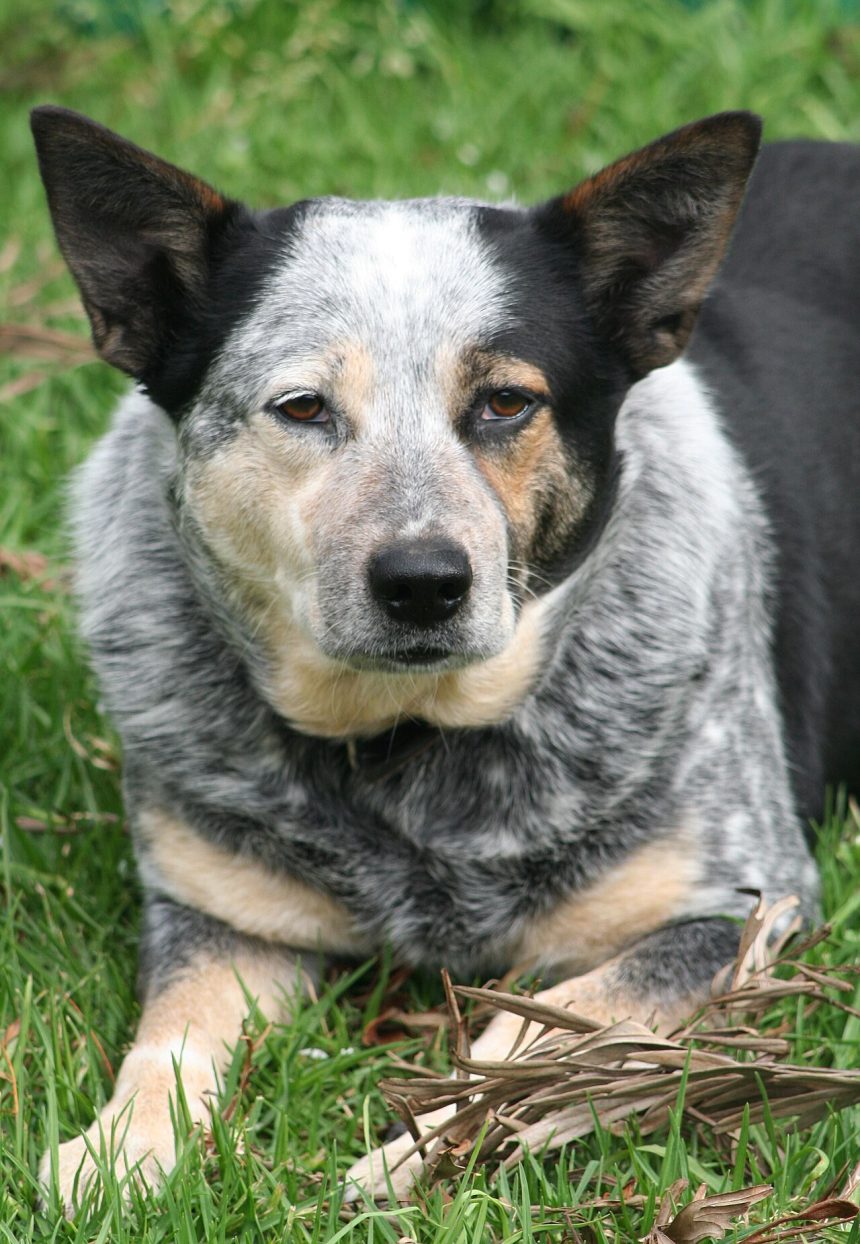
Dogs share our homes, our routines and, increasingly, our medical research. Scientists studying the microbiota-gut-brain axis — the two-way conversation between the microbes in the digestive tract, the gut itself and the brain — are turning to the canine model to understand social and affective disorders in ways that laboratory rodents simply cannot offer. Because dogs have evolved alongside humans for thousands of years, they display rich social behaviour, form strong attachments and even develop conditions that resemble human anxiety and compulsive disorders, making them an unusually revealing partner in this fast-growing field.
Why dogs make such a powerful research model
Most gut-brain research still begins with mice, but a mouse does not greet its owner at the door, read human gestures or suffer separation distress in a recognisably human way. Dogs do all of these things while living in the same homes, eating processed diets and breathing the same air as the people researchers ultimately want to help. That shared environment matters: the gut microbiome is shaped by diet, stress, medication and surroundings, so a study animal that shares a household with humans offers a far more realistic picture of how microbial communities and behaviour influence each other. Veterinary behaviourists quoted in reviews of the field, including work summarised by the Nature portfolio of journals, argue that this ecological validity is the canine model’s greatest strength.
What the gut-brain axis actually involves
The axis is not a single pathway but a network. Gut microbes produce short-chain fatty acids, neurotransmitter precursors and other metabolites that enter the bloodstream. Signals also travel along the vagus nerve, while the immune system and the stress hormone system provide further channels between gut and brain. When the microbial community falls out of balance — a state known as dysbiosis — those signals change, and researchers have linked such shifts to altered mood, sociability and stress responses in several species. In dogs, studies have compared the gut bacteria of calm animals with those of animals showing aggression or anxiety, finding consistent differences in particular bacterial groups. Work like this is regularly catalogued in the PubMed biomedical database, where interest in canine microbiome studies has grown sharply in recent years.
From kennel observations to clinical clues
The practical promise runs in two directions. For veterinary medicine, understanding the gut-brain link could lead to probiotic or dietary interventions that ease canine anxiety, a common reason owners surrender their pets. For human medicine, dogs offer a bridge between rodent experiments and clinical trials: if a microbial therapy calms an anxious dog living in a normal home, it stands a better chance of helping people than one tested only in sterile laboratory cages. Researchers are careful, however, to stress that correlation is not causation. Demonstrating that a particular microbe changes behaviour requires controlled trials, careful diet records and long follow-up, all of which are harder — but far from impossible — with pet dogs enrolled by their owners.
Ethical advantages and open questions
There is also an ethical dimension that appeals to funding bodies and the public. Pet dogs studied in their own homes are not laboratory animals in the traditional sense; owners consent to sampling, and the animals experience no invasive procedures beyond routine veterinary care. That model produces large, diverse study populations quickly. Open questions remain, including how breed, age and antibiotic history distort results, and whether findings in dogs translate to conditions such as autism spectrum disorder or depression in people, which have no exact canine equivalent. Even so, the direction of travel is clear. As sequencing costs fall and owner-recruited studies grow, the dog is moving from the margins of neuroscience to its centre — a reminder that some of the best clues about the human mind may be waiting, patiently, at our feet. Follow more research coverage in our science section and on the Modern News Media homepage.