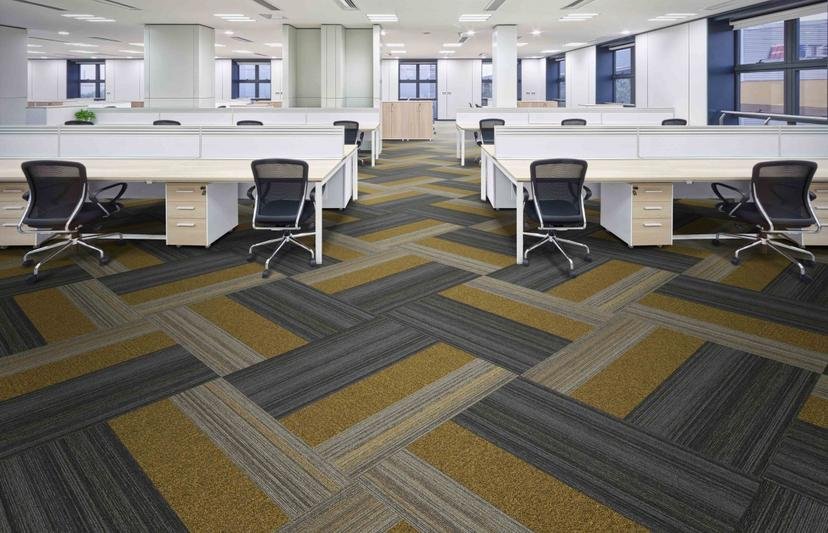
Noise is one of the most common complaints in modern workplaces, yet it is often treated as a problem for walls and ceilings alone. Floors play a quieter but important role. Hard surfaces reflect the sound of footsteps, chair castors, dropped objects and moving trolleys, adding to the background level that makes concentration harder. Businesses comparing Office carpet dubai quickly discover that a well-chosen carpet absorbs much of that impact noise at source, softening the room before any other acoustic treatment is even considered by managers or designers.
The science of a quieter floor
Sound in an office travels in two ways. Airborne sound includes voices, phone calls and video meetings, while impact sound is created when something strikes the floor. Carpet mainly tackles impact sound, and its cushioning effect can also reduce how far airborne sound reflects around a room. Pile height, fibre density and backing construction all influence performance. A dense, low loop pile on a cushioned backing will usually outperform a thin decorative carpet, which is why acoustic claims should always be checked against test data rather than marketing descriptions alone.
Underlay and backing deserve particular attention in multi-storey buildings. The people most affected by a noisy floor are often those working underneath it. A carpet system tested as a complete assembly, including its backing or underlay, gives a far more reliable indication of impact sound reduction than the carpet surface alone. If your office sits above another tenant, ask what improvement the proposed system delivers in the floor below, and whether the building management has any minimum standard that new flooring installations are expected to meet.
Designing zones for focus and collaboration
Different work needs different sound levels. A sales team may thrive on energy and conversation, while finance staff, writers and developers often need long periods of uninterrupted focus. Carpet cannot create silence on its own, but it can support a zoning plan: quieter, softer flooring in focus areas, durable tiles along circulation routes, and rugs or contrasting tiles to mark collaboration spaces where conversation is expected. When people can read the room from its layout and finishes, they naturally adjust their behaviour without needing signs or constant reminders from managers.
Meeting rooms benefit especially from carpet underfoot. Voices echo less, chairs move quietly, and recordings of hybrid meetings pick up less shuffling and footfall. That improves the experience for remote participants, who often struggle most with poor room acoustics. Pair the carpet with sensible furniture choices, such as soft-close drawers and chairs with suitable castors for carpeted floors, and the cumulative effect is noticeable. Small reductions in noise repeated across hundreds of daily movements add up to a calmer working environment for everyone sharing the space.
Comfort, wellbeing and first impressions
Acoustics are only part of the story. Carpet feels warmer and softer than hard flooring, which matters for staff who stand at service counters, walk between departments or work in rooms that feel stark and echoing. When reviewing Office carpet dubai, consider how the surface will feel during a full working day, not just how it photographs for a launch brochure. A floor that reduces glare, softens footsteps and makes a room feel finished contributes to the sense that an employer has invested properly in the workplace.
Clients notice these details too. A reception area where footsteps are muffled and voices carry less feels more private, which is valuable for law firms, clinics, financial advisers and any business discussing confidential matters near a waiting area. Colour and texture reinforce that impression. Deep, textured tones suggest calm and professionalism, while lighter or brighter schemes can make smaller offices feel more open. Order large samples and view them at different times of day, because office lighting and strong daylight can change a colour dramatically.
Balancing performance with maintenance
The most acoustic carpet is not automatically the most practical. Very deep pile can make wheeled chairs harder to move and may trap more dirt in entrance areas. For most offices, a dense low-profile construction offers the best compromise: enough cushioning to cut noise, a stable surface for furniture, and fibres that release soil during vacuuming. Protect the investment with barrier matting at entrances, chair mats only where they are genuinely needed, and a cleaning schedule that targets traffic lanes before embedded grit starts to damage the pile.
Staff surveys are a useful reality check before and after a flooring change. Ask employees which rooms they avoid for calls, where they struggle to hear, and whether the new floor has made a difference a month after installation. Those answers reveal problems that decibel readings alone can miss, and they help facilities teams decide where additional panels, planting or furniture changes are still needed.
A quieter office is rarely achieved by one product, but flooring is one of the few changes that affects every person, every day, without asking them to change their habits. Measure the rooms where noise complaints are most common, choose a carpet system with tested acoustic performance, zone it thoughtfully, and maintain it properly. Done well, the result is a workplace where meetings sound clearer, focus lasts longer, and the whole environment feels more considered, all starting from the surface beneath your feet each morning at work.