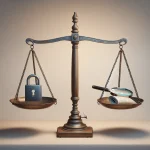

Anonymous sources play a crucial role in journalism by providing important information that might otherwise remain hidden. These sources often reveal details about sensitive topics, corruption, or wrongdoing, especially when speaking openly could put them at risk.
However, relying on anonymous sources raises ethical concerns about credibility and transparency. Reporters must carefully evaluate the source’s reliability and motivation before publishing. Responsible use ensures a balance between public accountability and protecting individuals who come forward.
Read More: Balancing Privacy vs Public Interest in Journalism
Definition of Anonymous Sources
Anonymous sources are individuals who provide information to journalists under the condition that their identity will not be revealed. These sources often share sensitive or controversial information that could endanger their job, safety, or reputation. Their anonymity is protected to ensure the free flow of vital public-interest information.
Journalists use anonymous sources when it’s the only way to access critical information that would otherwise remain hidden. These sources can be government officials, insiders, whistleblowers, or even crime victims. Their importance lies in their ability to shed light on stories that hold powerful institutions accountable.
Overview Of The Ethics Of Using Anonymous Sources
Using anonymous sources is ethically complex because it challenges transparency and credibility in journalism. While they can be essential, overreliance may lead to mistrust among audiences. Journalists must follow strict guidelines to ensure their use is justified and responsible.
Ethical journalism requires verifying facts from anonymous sources and being transparent about the source’s reliability. The decision to conceal identity must always serve the public interest. Protecting the source should never come at the cost of misleading the public.
Benefits of Using Anonymous Sources
Anonymous sources often provide exclusive, inside information that would not be available otherwise. Their accounts can expose corruption, injustice, and unethical practices that powerful individuals or institutions try to hide. In many groundbreaking stories, anonymity was key to uncovering the truth.
Their protection encourages whistleblowers and vulnerable individuals to come forward. This helps journalists report on complex or dangerous subjects like war, crime, or government secrecy. Without anonymity, many of these stories would never be told.
When to Use Anonymous Sources
Journalists should use anonymous sources only when the information is of significant public value. The need for secrecy must outweigh the risks of reduced credibility or transparency. Each case demands careful evaluation of both the source and the content provided.
Anonymity should be granted when revealing the source would cause harm, silence crucial voices, or deter future whistleblowers. Ethical guidelines help determine if these conditions are met. Responsible use strengthens journalism by protecting both truth and human safety.
When The Source Is In Danger
When a source’s life, freedom, or safety is at risk, anonymity becomes necessary. Journalists must assess the level of threat and ensure the person is not exposed. These situations often involve reports from war zones, protests, or authoritarian regimes.
Granting anonymity in these cases allows vital stories to emerge without putting individuals in harm’s way. It protects voices that might otherwise remain silent due to fear. Protecting sources under threat is a cornerstone of ethical reporting.
When the Source is a Whistleblower
Whistleblowers expose wrongdoing, often from within the organizations they work for. Their revelations can lead to major investigations, reforms, or public debate. However, they face serious repercussions including job loss, lawsuits, or harassment.
Anonymity provides them with a shield that makes it possible to come forward. Journalists must verify their claims and evaluate their intent before publishing. Ethical protection of whistleblowers contributes to accountability and systemic change.
When The Source is a Government Official
Government officials may request anonymity to reveal misconduct or provide honest insights without facing political fallout. Their insider access can bring clarity to complex issues. When transparency is limited, these voices offer crucial perspective.
Using such sources requires careful judgment, especially when they have power or political interests. The journalist must weigh whether anonymity serves the public good. Discretion and verification are critical in such high-stakes reporting.
When The Source Is A Victim Of A Crime
Crime victims often fear stigma, retaliation, or emotional distress if they are publicly identified. Anonymity allows them to share their stories and seek justice without further harm. Journalists can report the truth while respecting the victim’s privacy.
Providing this protection helps survivors speak out, especially in sensitive cases like sexual assault or domestic violence. Ethical journalism balances the public’s right to know with the individual’s right to safety and dignity. This sensitivity builds trust.
When The Source Is A Witness To A Crime
Witnesses may request anonymity to avoid being targeted by perpetrators or becoming entangled in legal complications. They can offer vital testimony that helps uncover facts. Journalists must judge the necessity of hiding their identity based on risk.
Their information is often crucial to revealing the full story, especially when official sources are silent. Protecting them ensures continued access to firsthand accounts. Responsible reporting includes verifying their story and motives carefully.
How Journalists Decide When to Use Anonymous Sources
The decision to use an anonymous source is never taken lightly. Journalists weigh several factors to determine whether it serves the public interest. Trustworthiness, motive, and potential impact are key considerations.
Editorial guidelines and peer discussions often support these decisions. Journalists also weigh potential harm if the source’s identity were exposed. This process helps maintain journalistic standards while honoring the need for secrecy in special cases.
Establishing the Source’s Credibility
Before using anonymous sources, journalists must establish their credibility through documentation, consistency, or corroboration. A source must demonstrate that they have direct knowledge of the information they provide. Reliability is non-negotiable.
Credibility can also come from a source’s position or track record. A history of truthfulness or insider status adds weight to their claims. Without trust, the story risks misleading the audience and damaging the outlet’s reputation.
Assessing the Source’s Motivation
Understanding why a source wants to remain anonymous is crucial. Some may be driven by a sense of justice, while others may have personal or political agendas. Journalists must evaluate whether the motive aligns with ethical reporting standards.
A source acting out of revenge or misinformation can be dangerous. Reporters must guard against manipulation by thoroughly checking facts. Clear motives help determine whether anonymity should be granted or declined.
Weighing the Pros and Cons
Using anonymous sources involves balancing the benefit of revealing the truth against the risk of eroding public trust. If the information is highly valuable and unverifiable by other means, the benefit may outweigh the downside.
Journalists consider whether the story can stand without naming the source. If not, they assess whether the information justifies the exception. Ethical decision-making means protecting sources without compromising journalistic integrity.
Ensuring the Source is Not Misleading
It’s essential to confirm that the source isn’t providing false or manipulative information. Anonymous sources can sometimes use secrecy to spread disinformation. Journalists must thoroughly vet claims and look for corroborating evidence.
Trustworthy sources provide verifiable facts, not just opinions or hearsay. The journalist’s role is to dig deeper, challenge inconsistencies, and seek confirmation. This scrutiny ensures the story remains accurate and fair, even when the name is hidden.
Frequently Asked Questions
Why do journal ists use anonymous sources?
Journalists use anonymous sources to access important information that may not be available otherwise. These sources often fear retaliation or legal consequences. Anonymity protects them while allowing truth to surface.
Are anonymous sources always trustworthy?
Not always—journalists must carefully verify anonymous claims. They assess credibility through documentation, past accuracy, and corroboration. Trust is earned, not assumed.
Can anonymous sources be used in every news story?
No, they should only be used when the story serves the public interest and no other source is available. Routine stories rarely justify secrecy. Responsible use is the exception, not the rule.
How do journalists protect anonymous sources?
They avoid revealing identifying details and use secure communication tools. Legal protections and newsroom policies also play a role. Ensuring confidentiality is both ethical and practical.
Can anonymous sources hurt a journalist’s credibility?
Yes, overuse or misuse can lead to skepticism among audiences. Transparency about why anonymity was granted helps maintain trust. Journalists must balance secrecy with accountability.
What kind of information justifies anonymity?
Information that exposes corruption, protects vulnerable individuals, or informs public debate may justify anonymity. The value must outweigh the risks. The goal is to serve the public good.
Do news organizations have rules for anonymous sources?
Yes, most reputable outlets have strict policies on when and how to use them. These rules guide verification, editorial review, and public explanation. Adherence ensures ethical consistency.
Conclusion
Anonymous sources are a vital part of investigative journalism, enabling reporters to uncover truths that protect democracy and hold power accountable. However, their use demands rigorous ethical judgment, careful verification, and transparent editorial practices to ensure that the public receives accurate and responsible reporting.