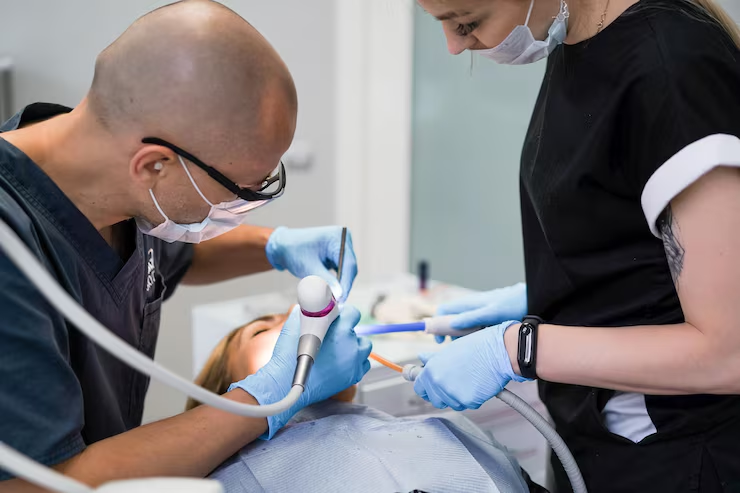
Gum recession does not affect every part of the mouth in the same way. Some areas need tissue to cover exposed tooth roots, while others need additional gum tissue to protect the teeth and improve the thickness of the gumline. The two commonly used procedures are connective tissue grafts and free gingival grafts. A connective tissue graft is generally preferred for covering exposed roots and improving gum thickness, while a free gingival graft is often used to increase the amount of firm, protective gum tissue.
The choice depends on the location and severity of recession, existing gum thickness, the amount of attached tissue, and the patient’s oral health. At Cape Cod Perio, understanding these differences helps patients make informed decisions about soft tissue graft surgery and the treatment needed to protect their gums.
What Is a Connective Tissue Graft?
A connective tissue graft uses a small piece of connective tissue, usually collected from beneath the surface layer of tissue on the roof of the mouth. The dentist or periodontist places this graft beneath the existing gum tissue near the affected tooth.
This technique is commonly used for root coverage when gum recession exposes the tooth root. Since the graft is positioned beneath the existing gum, the outer gum tissue remains in place and can cover the treated area as healing progresses.
Connective tissue grafting is particularly useful for patients with thin gum tissue or exposed roots that need additional coverage. It can also improve the thickness of the gumline, making the area more resistant to future recession.
Common reasons for choosing this graft include:
- Exposed tooth roots caused by gum recession.
- Thin gum tissue that needs additional thickness.
- Root sensitivity associated with exposed dentin.
- Uneven gumlines affecting the appearance of the smile.
- Areas where additional tissue support is needed around natural teeth.
The final amount of root coverage depends on the original recession defect, the surrounding gum tissue, bone support, and individual healing response.
What Is a Free Gingival Graft?
A free gingival graft involves removing a thin layer of tissue directly from the surface of the roof of the mouth. Unlike a connective tissue graft, this procedure uses the outer layer of tissue along with its underlying connective tissue.
The graft is placed over the recipient area and secured with sutures. Its main purpose is to increase the width and thickness of keratinized tissue, which is the firm gum tissue surrounding the teeth.
Free gingival grafts are particularly useful in areas where there is insufficient attached gingiva. This tissue provides a more stable protective barrier around the teeth and can make daily brushing more comfortable.
A periodontist may recommend this procedure for:
- Areas with a narrow band of attached gum tissue.
- Gum recession associated with inadequate keratinized tissue.
- Teeth with shallow vestibules that make oral hygiene difficult.
- Areas where brushing causes discomfort due to insufficient firm gum tissue.
- Selected sites requiring additional protective tissue around dental implants.
A free gingival graft can sometimes provide root coverage, but predictable root coverage is generally not its primary purpose. Its appearance may also differ from the surrounding gum because the graft retains characteristics of the tissue taken from the palate.
How Gum Recession Determines the Type of Graft
The amount of exposed tooth root is only one part of treatment planning. A periodontist also examines the thickness of the existing gum, the position of the tooth, the condition of the supporting bone, and the width of the attached gingiva.
Connective Tissue Grafts for Exposed Tooth Roots
When recession exposes the root surface, connective tissue grafting is generally preferred because the graft can be positioned beneath the existing gum tissue. This allows the periodontist to increase tissue thickness while attempting to move the gumline over the exposed root.
This approach is often suitable for recession affecting visible front teeth, where maintaining a natural gumline is a priority. It may also help reduce root sensitivity by covering exposed root surfaces.
However, complete root coverage is not guaranteed. Recession extending beyond the mucogingival junction, loss of supporting bone, and reduced interdental tissue can affect the achievable result.
Free Gingival Grafts for Insufficient Attached Gums
Some patients have a reasonable amount of root coverage but lack sufficient firm gum tissue around certain teeth. In these situations, a free gingival graft may be more appropriate.
The procedure increases the width of keratinized tissue, providing a stronger protective margin around the affected area. This can be particularly helpful when the existing gum tissue is too narrow to tolerate comfortable brushing or maintain adequate plaque control.
For these patients, increasing the amount of protective gum tissue may be more beneficial than focusing exclusively on covering the exposed root.
The Role of Soft Tissue Grafting Around Dental Implants
Dental implants also require healthy surrounding soft tissue. Although implants do not have natural tooth roots, the gum tissue around them helps protect the underlying structures and maintain a stable environment for oral hygiene.
Soft tissue grafting around implants may be recommended when the surrounding tissue is thin, the band of keratinized tissue is limited, or the implant area lacks sufficient soft tissue volume.
A connective tissue graft may be used to increase tissue thickness around an implant. This can improve the soft tissue contour and support a more natural appearance, particularly around implants in visible areas.
A free gingival graft may be considered when the primary concern is inadequate keratinized tissue around the implant. Increasing this tissue can make brushing more comfortable and help patients maintain plaque control.
The choice depends on the specific problem:
- Tissue thickness: A connective tissue graft may help improve the volume and thickness of the gum.
- Limited keratinized tissue: A free gingival graft may increase the width of firm tissue around the implant.
- Aesthetic concerns: Connective tissue grafting may help improve the contour of the gum surrounding an implant.
- Cleaning difficulties: Additional keratinized tissue may help create a more comfortable area for daily oral hygiene.
The decision should be based on the implant’s position, surrounding bone, existing gum condition, and the patient’s ability to maintain proper hygiene.
What Happens During a Dental Soft Tissue Graft Procedure?
Although the surgical steps vary depending on the graft selected, both procedures involve preparing the recipient area, obtaining donor tissue when needed, and securing the graft.
A typical dental soft tissue graft involves the following stages:
- Initial examination: The periodontist evaluates gum recession, tissue thickness, root exposure, and supporting structures. Dental imaging may also be used to assess the surrounding bone.
- Donor tissue preparation: If tissue is needed from the palate, the appropriate area is prepared and the graft is collected.
- Recipient site preparation: The affected gum area is carefully prepared to receive the graft. The technique depends on the location and treatment objective.
- Graft placement: The collected tissue is positioned beneath or over the existing gum tissue, depending on the procedure.
- Suturing: Fine sutures hold the graft in place while it integrates with the surrounding tissue.
After surgery, patients receive instructions for protecting the treated area. These generally include avoiding direct brushing over the surgical site, following recommended oral hygiene practices, and attending follow-up appointments.
Factors That Influence the Success of Gum Grafting
The outcome of a dental tissue graft depends on more than the surgical technique. The condition of the surrounding gums and the patient’s oral health habits also affect tissue healing and long-term stability.
Several factors deserve attention:
Existing gum and bone support: Healthy supporting structures provide a better foundation for graft placement. Significant bone loss or tissue damage may limit the amount of achievable root coverage.
Oral hygiene: Plaque accumulation can irritate the gums and interfere with healing. Patients need to follow their periodontist’s cleaning instructions carefully.
Smoking and tobacco use: Tobacco can impair blood flow and interfere with normal wound healing. Patients should discuss tobacco use with their periodontist before surgery.
Gum recession causes: Aggressive brushing, periodontal disease, tooth positioning, and thin gum tissue can contribute to recession. Addressing contributing factors helps protect the treated area.
At Cape Cod Perio, treatment planning considers the condition of the existing gum tissue and the specific needs of each surgical site rather than relying on one graft technique for every patient.
Choosing the Right Gum Graft for Long-Term Gum Health
Connective tissue grafts and free gingival grafts serve different clinical purposes. A connective tissue graft is generally the preferred option for improving gum thickness and covering exposed tooth roots, while a free gingival graft is primarily used to increase the width of protective keratinized tissue.
A professional periodontal examination can help identify the cause of recession and determine the most appropriate dental tissue graft. If you have exposed roots, thin gums, or concerns about the tissue surrounding dental implants, contact us at Cape Cod Perio to discuss your condition and available treatment options. Protecting the gum tissue around your teeth and implants starts with selecting a procedure that addresses the actual tissue deficiency.
Neither procedure is automatically better for every patient. The right choice depends on the type of recession, tissue availability, location of the affected area, and desired clinical outcome. Some treatment plans may also involve a combination of soft tissue techniques to address different concerns within the same mouth.