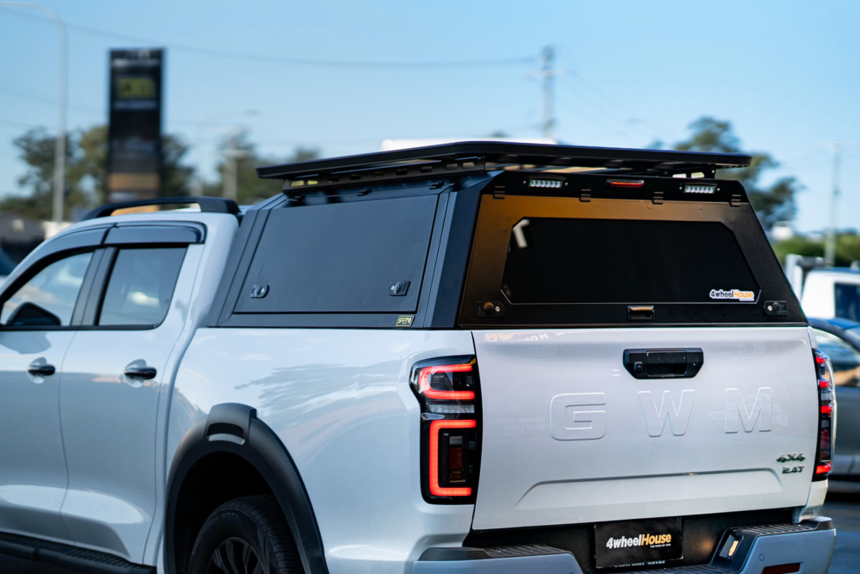
Choosing the right ute in Tauranga comes down to matching its payload, towing capacity, drivetrain and running costs with the work you expect it to handle. A tradie carrying tools and materials needs different capabilities from someone towing a boat, travelling on rural roads or using a ute for everyday family transport. Before browsing Utes for sale Tauranga, consider how much weight you will carry, the trailers you need to tow and the type of terrain you regularly drive on. These details will help you select a vehicle that performs reliably without paying for features you rarely use.
Start With the Work Your Ute Needs to Handle
A ute can serve several purposes, but its design and specifications determine how well it handles each task. Someone working in construction may need a spacious tray, strong payload capacity and enough room for tools. A business owner transporting equipment might prioritise a practical canopy, secure storage and fuel efficiency.
Tauranga also has a mix of urban roads, residential areas, rural properties and coastal routes. Your driving requirements may include daily trips through town, carrying equipment between job sites or travelling on uneven surfaces outside the city.
Before selecting a model, think about:
- Daily load requirements: Estimate the combined weight of passengers, tools, materials and other equipment.
- Towing needs: Check the loaded weight of your trailer, boat or caravan rather than relying on its empty weight.
- Driving conditions: Consider how often you travel on gravel roads, steep driveways, muddy tracks or sealed urban roads.
- Cabin requirements: Decide how many passengers need regular seating and how much interior storage you require.
Having a clear picture of your regular usage makes it easier to narrow down suitable vehicles instead of choosing one based only on appearance or engine size.
Payload Capacity Matters More Than Tray Size
Payload is one of the most important specifications to check when buying a work ute. It refers to the maximum additional weight the vehicle can carry while remaining within its Gross Vehicle Mass (GVM).
For example, a ute with a listed payload of 1,000kg does not necessarily have 1,000kg available for materials in the tray. The payload must also account for the driver, passengers, accessories, tools, luggage and towball download when towing.
A canopy, bull bar, roof rack, drawer system or aftermarket equipment adds weight and reduces the remaining carrying capacity. Double-cab models can also have lower payload figures than comparable single-cab versions because of their additional cabin weight.
Check these specifications before making a decision:
- GVM: The maximum permitted loaded weight of the vehicle.
- Kerb weight: The vehicle’s weight in its specified standard running condition, according to the manufacturer’s definition.
- Payload: The available carrying capacity based on the relevant weight figures.
- Axle load limits: The maximum weight permitted over the front and rear axles.
If you regularly transport heavy building materials, machinery or commercial equipment, prioritise payload over tray dimensions alone. The NZ Transport Agency recommends staying within the vehicle’s safe loading limits because overloading can affect its brakes, tyres, wheels and structural components.
For a used ute, inspect the suspension, rear springs, tyres and tray for signs of repeated heavy loading. Sagging rear suspension, uneven tyre wear and damage around the tray mounts may indicate previous overloading.
Check Towing Capacity Before Choosing an Engine
A ute’s towing capacity determines how much weight it can safely tow under the manufacturer’s specifications. This matters for Tauranga buyers who regularly transport boats, caravans, trailers, landscaping equipment or work machinery.
Many modern diesel utes advertise substantial braked towing capacities, but the maximum figure alone does not tell you everything about their towing ability.
Pay attention to three specifications:
Braked towing capacity: The maximum permitted trailer weight when the trailer has its own braking system.
Unbraked towing capacity: The maximum permitted weight for a trailer without its own brakes. This is generally much lower.
Gross Combination Mass (GCM): The maximum permitted combined weight of the loaded ute and loaded trailer.
GCM is particularly important because a vehicle cannot automatically carry its maximum payload and tow its maximum rated trailer weight simultaneously. The combined weight must remain within the manufacturer’s limits.
Towball download also counts towards the ute’s load capacity. A heavily loaded trailer can place considerable downward force on the rear of the vehicle, affecting handling and axle loads.
Before buying, check the owner’s manual, vehicle identification information and towbar rating. A suitable towing setup also needs the correct electrical connections, trailer brakes where required and appropriate load distribution. NZTA’s safe loading and towing recommendations provide useful information on these requirements.
Is 4WD Necessary for Tauranga Driving?
Four-wheel drive can be useful, but not every ute owner needs it. The right drivetrain depends on the surfaces you regularly travel across and the conditions in which you carry loads or tow trailers.
2WD utes are generally suitable for sealed roads, everyday commuting, light commercial work and regular transport duties. They can be a practical choice for buyers who rarely encounter difficult terrain.
4WD utes provide additional traction by driving all four wheels through the drivetrain. They are useful for gravel roads, muddy access tracks, uneven rural properties and certain off-road conditions.
Some models also offer selectable driving modes, low-range gearing and rear differential locks. These features can help in difficult conditions, although they do not replace suitable tyres, careful driving or knowledge of the terrain.
For Tauranga drivers who regularly visit rural properties or work on construction sites with unsealed access roads, 4WD may justify the additional mechanical complexity and maintenance requirements. However, someone mainly travelling around the city may find a 2WD model more practical.
During a test drive, check that the drivetrain operates correctly. For 4WD models, test the available modes according to the manufacturer’s instructions and look for warning lights, unusual noises or signs of transmission trouble.
Running Costs Go Beyond Fuel Consumption
A ute’s purchase price is only one part of vehicle ownership. Fuel consumption, servicing, tyres, insurance and repairs all contribute to its ongoing running costs.
Diesel engines are common in work-focused utes because they generally offer strong low-speed pulling power, which is useful for carrying loads and towing. However, fuel economy varies with engine size, transmission, vehicle weight, driving conditions and maintenance history.
Petrol options may suit buyers with lighter loads and less frequent towing requirements. Compare the manufacturer’s fuel consumption information with independent testing where available, but remember that real-world figures can differ considerably.
Other expenses deserve attention too:
- Tyres: Larger tyres and specialist all-terrain options can cost more to replace.
- Servicing: Check the manufacturer’s maintenance schedule and the availability of replacement parts.
- Insurance: A ute used for commercial purposes may have different insurance requirements from one used privately.
- Repairs: Inspect the engine, transmission, suspension, cooling system and four-wheel-drive components for signs of wear.
- Registration and compliance: Check the vehicle’s licensing, WOF status and any outstanding compliance requirements.
A well-maintained used ute can be a sensible purchase, but service records matter. Look for evidence of regular oil changes, scheduled servicing and previous repairs. A pre-purchase mechanical inspection can help identify problems that are not immediately visible during a test drive.
Choose a Cab Style and Tray That Match Your Routine
Cab configuration affects passenger space, storage and available payload. Single-cab, extended-cab and double-cab utes each serve different requirements.
A single cab usually provides a longer load area and can suit tradespeople who carry equipment regularly. Extended-cab models offer additional space behind the front seats, which can be useful for storing smaller tools or occasional passengers.
Double-cab utes provide seating for more occupants and are suitable for buyers who use one vehicle for both work and personal travel. However, the larger cabin can reduce the available tray length and payload.
Also consider the tray’s dimensions, tie-down points, load height and accessibility. A canopy may protect equipment from weather and theft, while a lockable toolbox can keep frequently used items organised. Check the weight of any fitted accessories before calculating the remaining payload.
Inspect the Used Ute Before Making a Decision
A vehicle’s specifications tell you what it was designed to do, but its condition determines how well it performs now. A thorough inspection is particularly important for utes because many have spent their working lives carrying heavy loads or towing trailers.
Pay attention to the following areas:
Engine and transmission: Check for oil leaks, excessive smoke, unusual noises and rough gear changes. The engine should start and run smoothly.
Chassis and suspension: Inspect the chassis rails, underbody, leaf springs and shock absorbers for cracks, corrosion, damage or signs of heavy use.
Tray and bodywork: Look for dents, damaged mounting points, rust and poorly repaired areas that could indicate previous worksite use.
Tyres and brakes: Uneven tyre wear can point to alignment or suspension problems. Check brake performance and the condition of the brake components.
Service history: Review maintenance records, previous ownership information and any available repair documentation.
A test drive should include different road conditions where practical. Listen for drivetrain noises, assess steering response and check how the vehicle behaves under normal acceleration and braking.
Buyers comparing options through 2 Cheap Cars should also pay attention to the vehicle’s documented condition and specifications. Check its identification details, WOF status, registration and any outstanding security interests before completing a purchase.
Make Your Next Ute Purchase a Practical Decision
The right ute should match your everyday workload, towing requirements and driving conditions rather than simply offer the highest specifications on paper. A vehicle with a suitable payload, adequate towing capacity and the correct drivetrain will be more useful than one with features that rarely serve a purpose.
Before making your final choice, make sure the vehicle can handle your regular load, accommodate your passengers and meet your towing needs within its rated limits. If you need assistance with your next vehicle purchase, contact us to discuss the available options and make a more informed decision.
Take time to compare vehicle specifications, inspect its mechanical condition and consider the ongoing maintenance involved. The team at 2 Cheap Cars can help buyers assess available vehicles and find an option that suits their transport requirements.