
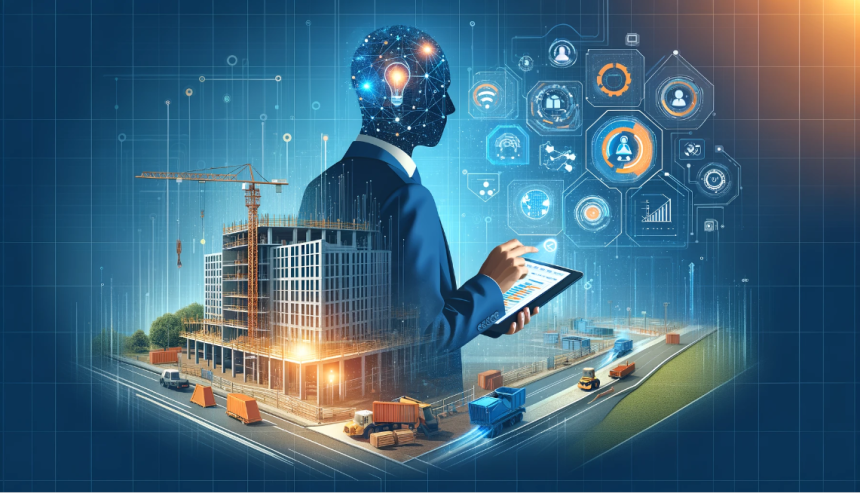
Maintaining a safe work environment is a constant challenge for organizations in industrial sectors. Traditional safety programs rely on manual observations, incident reports, and reactive measures. While these methods are foundational, they often leave safety teams one step behind. Artificial intelligence introduces a proactive approach, helping organizations identify and mitigate risks before they lead to injuries.
Proactive Hazard Identification Through Continuous Monitoring
Artificial intelligence systems can analyze information from sources like video cameras and sensors to spot potential dangers in real time. This continuous analysis helps shift safety management from a reactive to a predictive model. Instead of only investigating incidents after they happen, organizations can identify the precursors to accidents and intervene.
From Reactive to Predictive Safety
AI-powered computer vision can monitor work environments around the clock, something that is impossible with manual supervision alone. These systems can be configured to detect a wide range of unsafe conditions and behaviors that might otherwise go unnoticed. This allows safety professionals to focus their attention on the most critical areas and tasks.
- Detecting near-miss events, such as a pedestrian narrowly avoiding a forklift, that often go unreported.
- Identifying environmental hazards like spills, debris, or blocked emergency exits.
- Spotting the incorrect operation of machinery or entry into restricted zones.
- Recognizing ergonomic risks by analyzing worker postures and movements during manual handling tasks.
Improving Personal Protective Equipment Compliance
Ensuring consistent use of personal protective equipment (PPE) is a persistent challenge in many industries. Manual checks can be time-consuming and sporadic, leading to gaps in compliance. AI offers an automated and objective method for monitoring PPE usage without disrupting workflows.
Automated PPE Checks
Computer vision systems can be trained to recognize whether employees are wearing the required PPE, such as hard hats, high-visibility vests, or safety glasses. When a system detects a worker without the necessary equipment in a designated area, it can trigger an immediate notification. This automated verification helps reinforce safety protocols consistently and provides a reliable stream of data on compliance rates across different areas and shifts.
Using Data to Prevent Future Incidents
One of the most powerful applications of AI in safety is its ability to analyze large datasets to uncover hidden patterns and trends. By processing information from incident reports, observation data, and real-time monitoring, AI can provide insights that are difficult to discern through manual analysis.
Identifying Patterns in Safety Data
AI algorithms can sift through months or years of safety information to pinpoint correlations between various factors and incident occurrences. This data-driven approach helps safety managers understand the root causes of risk and develop more targeted prevention strategies.
- Highlighting specific times of day or days of the week when incidents are more likely to occur.
- Pinpointing high-risk zones within a facility where a disproportionate number of near-misses or accidents happen.
- Identifying recurring unsafe behaviors that suggest a need for updated training programs or procedural changes.
Streamlining Safety Audits and Reporting
The administrative burden associated with safety management can be substantial. Safety professionals spend a great deal of time on paperwork, manual data entry, and report generation. AI can automate many of these tasks, freeing up professionals to spend more time on the floor engaging with employees and implementing safety improvements.
Automating Data Collection
AI systems can automatically log safety-related events, from PPE non-compliance to near-miss incidents, creating a detailed and objective record. This automation ensures that data is captured accurately and promptly, minimizing human error and providing leaders with up-to-date information. The resulting analytics and dashboards offer a clear view of safety performance, making it easier to track progress and demonstrate the effectiveness of safety initiatives.
Implementing Modern Safety Solutions
Artificial intelligence provides a new layer of insight for protecting workers in complex environments. These technologies supplement the expertise of safety professionals, providing them with data to make more informed, proactive decisions. Accessing modern tools is a significant step toward building a stronger safety culture and reducing workplace incidents. For organizations looking to advance their safety programs, intelligent safety management software offers a path to integrate these capabilities into daily operations.