
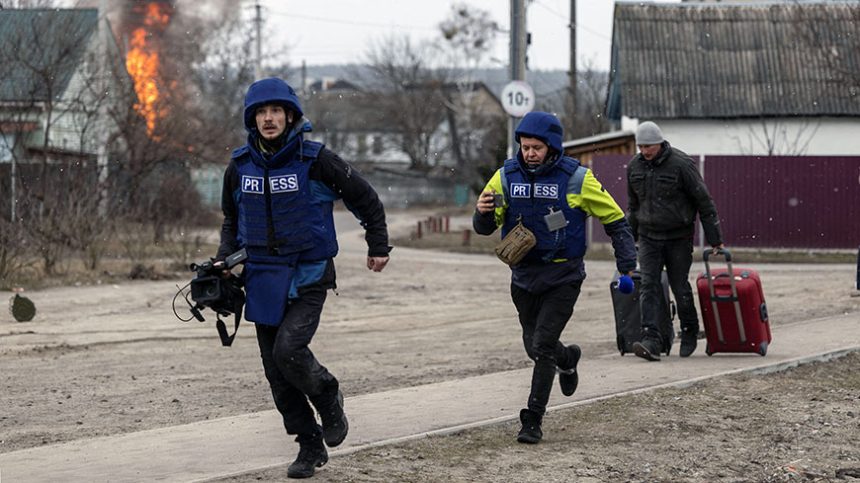
Media reporter safety is crucial in today’s world, especially when covering conflict zones where risks are high. Journalists face threats like violence, kidnapping, and harassment while striving to deliver unbiased news. Ensuring their protection allows them to report freely and accurately.
In conflict zones, media reporter safety involves careful planning, training, and support from organizations and governments. Access to protective gear, secure communication, and emergency protocols can save lives. Prioritizing safety helps maintain the flow of critical information from dangerous areas.
Read More: The Power of Data Journalism: Transforming News Through Numbers
Is enough being done in Ukraine?
The safety of media reporters in Ukraine has become a pressing concern as the conflict intensifies. While some measures have been implemented, many journalists still face significant dangers without adequate protection. The chaotic environment often hampers the ability to enforce comprehensive safety protocols consistently.
International organizations and local authorities have made efforts to offer some support, but gaps remain in training, equipment, and on-the-ground security. The rapidly changing frontlines mean that safety measures must constantly adapt, but this is not always feasible. As a result, reporters continue to take substantial risks to cover vital stories.
Despite growing awareness, the level of protection for journalists in Ukraine highlights the need for stronger coordination and resources. The challenge lies in balancing the urgency of reporting with ensuring that media personnel do not become victims of the conflict themselves. Continuous evaluation and improvement of safety efforts are essential to safeguard their work and well-being.
Serious incidents affecting reporters
Journalists covering conflict zones frequently encounter life-threatening incidents that can cause physical harm or psychological trauma. These dangers range from direct attacks to accidental exposure to violence, making every assignment perilous. Such incidents not only endanger lives but also threaten the flow of unbiased information.
In recent conflicts, numerous reporters have been targeted deliberately, kidnapped, or caught in crossfire. These hostile actions severely impact press freedom and discourage thorough coverage in dangerous areas. The psychological toll of witnessing violence and suffering can have long-term effects on media workers.
The accumulation of these serious incidents raises questions about accountability and the effectiveness of existing protective frameworks. Without stronger measures, the media risks losing critical voices from conflict zones. Protecting reporters is not only a moral imperative but also crucial for the global community to stay informed.
Security measures to support your duty of care
Employers and organizations have a legal and ethical responsibility to ensure the safety of their media teams. This duty of care includes providing risk assessments, safety training, and proper equipment tailored to conflict zones. These measures empower reporters to manage risks proactively.
Beyond training, organizations must establish clear communication channels and evacuation plans to respond quickly during emergencies. Personal protective gear such as helmets and vests must meet rigorous standards to withstand hostile environments. Security protocols should be updated regularly based on evolving threats.
Effective duty of care also involves mental health support before, during, and after assignments. Preparing media personnel with resilience training and access to counseling is vital. Taking comprehensive steps to safeguard reporters reflects a commitment to their well-being and journalistic integrity.
Access trusted intelligence
Reliable intelligence is essential for reporters operating in conflict zones to navigate risks and avoid danger. Access to accurate, timely information about local security situations helps journalists make informed decisions on where to go and when to withdraw. Trusted sources can mean the difference between safety and harm.
Intelligence can come from a variety of channels including local contacts, security consultants, and specialized platforms that monitor conflict dynamics. Filtering misinformation and verifying reports are critical to maintaining situational awareness. Journalists must evaluate the credibility of their sources carefully.
By integrating trusted intelligence into their planning, media teams reduce exposure to unpredictable threats. This proactive approach enhances the chances of safely completing assignments. In high-risk environments, knowledge truly is a lifesaving asset for reporters.
Support from risk management technology
Advances in risk management technology have transformed how media organizations protect their personnel. Tools such as GPS tracking, encrypted communications, and real-time threat alerts provide an additional layer of security. These innovations enable quicker responses to unfolding dangers.
Technology also facilitates remote monitoring of reporter movements, allowing security teams to intervene if unusual activity is detected. Satellite phones and secure messaging apps help maintain contact when conventional networks fail. The integration of technology has become a cornerstone of modern conflict reporting.
However, technology is not a substitute for comprehensive safety planning. It must be combined with human judgment and local knowledge to be effective. When used correctly, risk management technology significantly improves a media team’s ability to operate safely under hazardous conditions.
Advice for media representatives that are within an occupied territory and trying to evacuate
Operating within occupied territories presents some of the most severe challenges for media personnel. Reporters often face surveillance, restricted movement, and hostile forces intent on suppressing information. Evacuating under these conditions requires careful strategy and discretion.
Journalists must prioritize communication with trusted contacts outside the territory to coordinate extraction plans. Timing and route selection should minimize exposure to checkpoints or patrols. Remaining calm and adaptable can mean successfully escaping dangerous areas without attracting attention.
In addition to physical risks, emotional stress is intense during evacuation attempts. Maintaining focus and avoiding panic increases the likelihood of a safe exit. Preparation before deployment, including knowledge of exit points and safe houses, is invaluable for those working in occupied zones.
Global conflict zone security considerations
Security concerns for media reporters extend beyond any single conflict and require a global perspective. Each region presents unique risks influenced by political, cultural, and military factors. Understanding these nuances helps tailor safety protocols effectively.
International laws protecting journalists vary in enforcement, making awareness of local regulations crucial. Media organizations must engage with local communities and security experts to build trust and gather actionable intelligence. Respect for cultural sensitivities can improve cooperation and reduce hostility.
Ultimately, a unified global approach that shares best practices, resources, and training enhances reporter safety worldwide. Strengthening international support networks ensures that media personnel can continue their vital work even in the most challenging conflict zones.
Frequently Asked Questions
What are the biggest risks for media reporters in conflict zones?
Media reporters face threats like gunfire, kidnapping, targeted attacks, and psychological trauma. Unpredictable violence and limited access to safety make their work extremely dangerous.
How can journalists prepare before entering a conflict zone?
Preparation includes safety training, gathering reliable intelligence, securing protective gear, and planning evacuation routes. Mental readiness and understanding local dynamics are also vital.
What role do media organizations play in reporter safety?
Organizations have a duty of care to provide training, equipment, and support. They must also establish clear communication and emergency response plans to protect their teams.
How does risk management technology improve safety?
Technology offers real-time tracking, secure communication, and threat alerts, enabling quick responses. It enhances situational awareness but must be paired with human judgment.
What should reporters do if trapped in an occupied territory?
They should stay calm, maintain contact with trusted allies, and carefully plan their evacuation to avoid detection. Flexibility and local knowledge increase chances of safe escape.
Is it safe to rely solely on local intelligence?
Local intelligence is valuable but must be cross-checked for accuracy. Combining multiple trusted sources helps avoid misinformation and ensures better decision-making.
How can global cooperation enhance media reporter safety?
Sharing resources, best practices, and training globally helps create stronger safety networks. International support boosts protections and awareness for reporters worldwide.
Conclusion
Ensuring media reporter safety in conflict zones requires a multifaceted approach involving thorough preparation, trusted intelligence, advanced technology, and strong organizational support. As conflicts evolve, continuous adaptation and global cooperation are essential to protect journalists who risk their lives to bring critical stories to the world. Prioritizing their safety not only safeguards individuals but also upholds the vital role of free, independent reporting in maintaining informed societies.